
Many firearm owners only think about Gun Cleaning after a range session goes badly, accuracy starts to drift, or rust appears where it should never have had the chance to form. The problem is not usually a lack of care. It is a lack of a clear routine, the wrong tools, or uncertainty about how often cleaning really needs to happen. This article breaks down the real reasons maintenance matters, the most common cleaning mistakes, and a practical process that helps owners protect reliability, finish, and service life.
Drawing on product-focused experience from Ningbo Rotchi Business Co.,Ltd., this guide explains how to build a sensible routine instead of over-cleaning, under-cleaning, or relying on guesswork. Whether you maintain pistols, rifles, or shotguns, the goal is simple: cleaner operation, safer function, and less money wasted on avoidable wear.
The biggest customer pain point is usually not cleaning itself. It is uncertainty. Owners know maintenance matters, but many are unsure what happens if they delay it for one trip, use the wrong brush, skip the bore, or leave solvent sitting too long. In real life, neglected Gun Cleaning does not always lead to immediate failure. That is what makes it deceptive. Damage often builds quietly.
Powder residue, carbon, copper fouling, plastic wad buildup, lead deposits, fingerprints, and moisture all work differently, but they share one result: they slowly reduce consistency. That can mean rough cycling, stubborn extraction, reduced accuracy, corrosion on exposed surfaces, or parts that wear faster than they should. A firearm may still function for a while, but “still works” is not the same as “working at its best.”
Another common issue is storage after use. A firearm that looks clean on the outside can still hold fouling inside the bore, chamber, action, or tight contact points. If it is then stored in a case, vehicle, cabinet, or humid room without proper care, light contamination can turn into a bigger maintenance problem.
This is where many owners get stuck. Some clean after every single use, no matter how light the session was. Others wait until performance drops. Neither extreme is ideal in every situation. Smart Gun Cleaning depends on round count, firing conditions, ammunition type, storage environment, and how soon the firearm will be used again.
A carry firearm, for example, may need frequent inspection even if it is not fired often, because lint, sweat, skin oils, and daily exposure matter. A hunting rifle might not need a deep cleaning after every small use, but it should never be put away dirty after wet weather. A shotgun used heavily for bird or clay shooting may build fouling differently from a precision rifle.
| Situation | Recommended Focus | Why It Matters |
|---|---|---|
| After a high-round-count range session | Bore, chamber, action, contact surfaces | Residue builds quickly and may affect function or accuracy |
| After rain, mud, dust, or field use | Drying, exterior wipe-down, moisture removal, inspection | Environmental exposure can create hidden corrosion risk |
| Before long-term storage | Complete cleaning and correct protective lubrication | Storage locks in problems if dirt and moisture remain |
| For a carry or duty firearm | Routine checkups even between live-fire sessions | Daily exposure adds lint, sweat, and contamination |
The best rule is not “clean obsessively.” It is “clean intentionally.” A repeatable, sensible routine protects the firearm without unnecessary wear from careless over-handling.
A lot of frustration comes from using mismatched or low-quality tools. Poor rods flex too much. Cheap brushes wear out quickly. Wrong-size accessories slow everything down. An incomplete kit forces users to improvise, and improvisation is where scratches, missed buildup, and wasted time often begin.
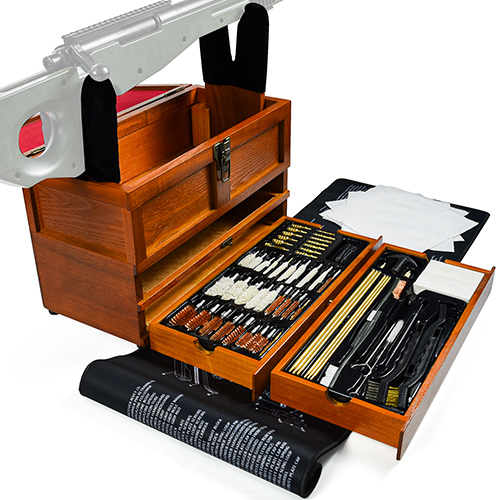
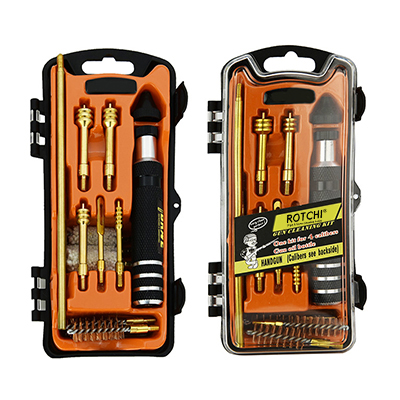
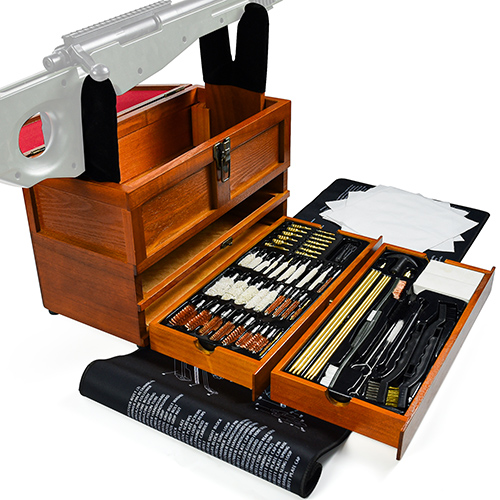
A practical Gun Cleaning setup should match the platform, caliber, and user habit. For many customers, the real value is not owning the most expensive kit. It is owning the right combination of components that fit together logically and hold up over repeated use.
This is where a focused supplier can make a real difference. Ningbo Rotchi Business Co.,Ltd. offers a product range built around actual maintenance use cases, which matters because users rarely need just one part. They need a complete maintenance path, from basic bore care to accessory-level detail cleaning.
One reason people postpone Gun Cleaning is that the process feels technical when it does not need to be. A clear sequence removes hesitation and reduces mistakes. The goal is not speed at any cost. The goal is consistency.
What customers often discover is that the right sequence saves time. Cleaning becomes easier when the user stops fighting the tool setup. A properly fitted brush, patch holder, or bore rope can dramatically improve the experience and reduce repeated passes that do little except waste effort.
It also helps to separate “quick maintenance” from “deeper maintenance.” Not every session requires the same level of attention. Sometimes a focused wipe-down and bore pass are enough. Sometimes the firearm has been used hard enough to justify a more thorough process. Good ownership means knowing the difference.
Most maintenance problems are not caused by a total lack of effort. They are caused by doing the right job in the wrong way. That is why educational content around Gun Cleaning matters so much to buyers. They are not just shopping for accessories. They are trying to avoid preventable mistakes.
| Common Mistake | What It Can Cause | Better Approach |
|---|---|---|
| Using the wrong size brush or patch | Ineffective cleaning or unnecessary force | Match components carefully to caliber and application |
| Over-applying oil | Dust attraction, messy buildup, uneven performance | Use only what is needed on the correct contact points |
| Ignoring the chamber and action | Reliable bore but unreliable cycling | Clean the whole operating system, not just the barrel |
| Putting a firearm away while still damp or dirty | Rust, staining, long-term fouling | Dry thoroughly and inspect before storage |
| Using poor-quality tools repeatedly | Frustration, extra labor, possible surface damage | Choose durable, well-matched cleaning accessories |
A small improvement in tool quality often produces a much bigger improvement in routine consistency. That matters because a routine people can stick to is far more useful than a perfect system they avoid using.
Customers often ask for one universal answer, but Gun Cleaning works better when adjusted to the platform. A handgun carried often has different maintenance pressure points than a shotgun used for sport or a rifle used for accuracy-focused shooting.
That is why a broad product portfolio matters. Users are more likely to stay consistent when they can source rods, brushes, bore ropes, tips, mats, and accessories from one place rather than mixing incompatible parts from multiple unknown sources. A complete system supports a smoother maintenance habit.
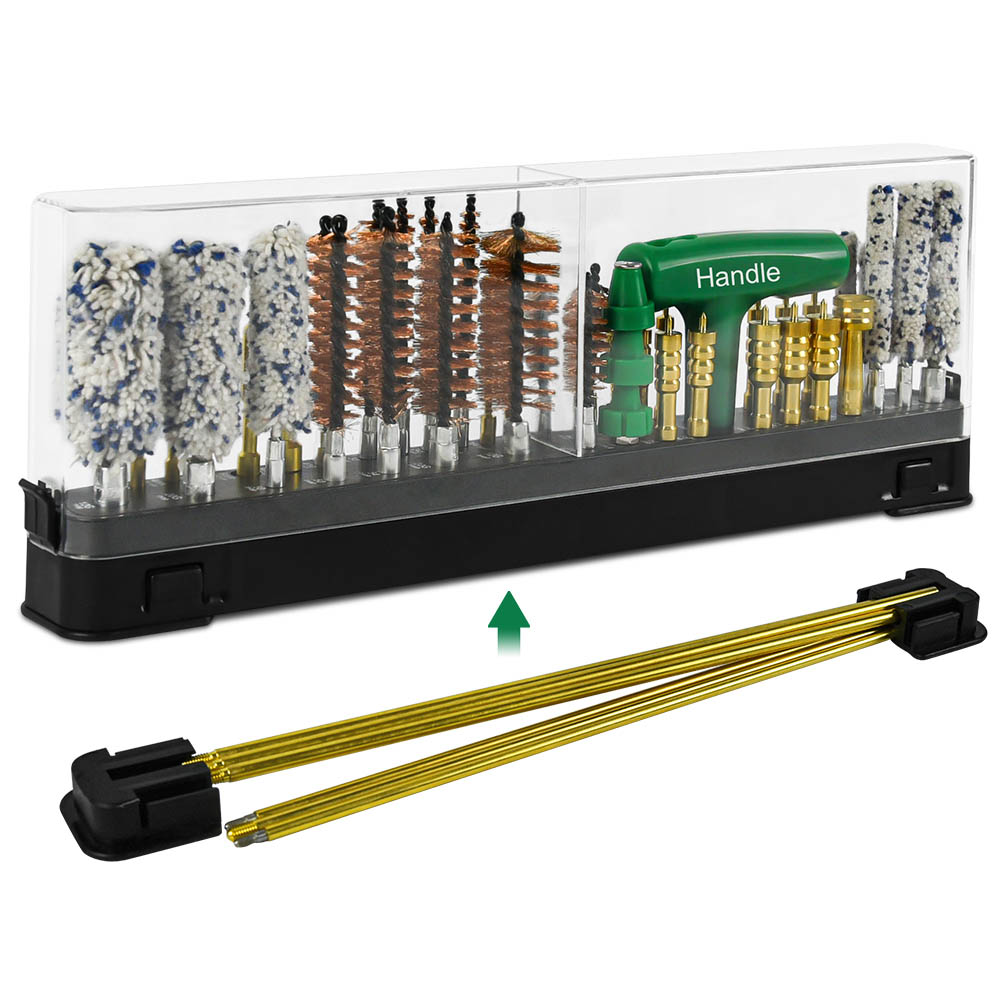
People sometimes compare cleaning products only by unit price, but that misses the bigger picture. Poor maintenance costs more over time through corrosion, avoidable wear, replacement of damaged accessories, inconsistent performance, and extra labor spent re-cleaning the same areas. Better Gun Cleaning support reduces those hidden costs.
A practical kit does three things well. First, it helps the user clean thoroughly. Second, it helps the user clean efficiently. Third, it makes the routine easy enough to repeat. When those three conditions are met, maintenance stops feeling like an annoying chore and starts becoming a normal part of ownership.
For distributors, retailers, and sourcing teams, this also matters commercially. Buyers return to products that are easy to understand, complete in scope, and reliable in use. That is one reason companies such as Ningbo Rotchi Business Co.,Ltd. continue to receive attention from customers looking for firearm maintenance products that are practical rather than flashy.
In other words, the best kit is not the one that promises everything. It is the one that solves the real-life cleaning problem in front of the user.
Q1. How often should I perform Gun Cleaning?
It depends on how the firearm is used, how many rounds were fired, the environment, and whether it will be stored. Heavy use, wet conditions, or long-term storage usually call for more attention than a brief session in clean conditions.
Q2. Can too much cleaning be a problem?
Yes. Unnecessary disassembly, excessive scrubbing, and overuse of oil or solvent can create wear or attract more contamination. A thoughtful routine is better than constant aggressive cleaning.
Q3. Do I need different tools for pistols, rifles, and shotguns?
In many cases, yes. Different calibers and gauges benefit from properly sized rods, brushes, patches, and accessories. Using correct-fit tools makes maintenance safer and more efficient.
Q4. What is the most common cleaning mistake?
One of the most common mistakes is focusing only on the bore and ignoring the chamber, action, and other high-contact areas. Another is storing a firearm before all moisture and residue have been removed.
Q5. Why does kit quality matter so much?
Quality matters because well-made components improve fit, reduce wasted effort, and support repeatable maintenance. A better kit makes it easier to do the job properly instead of rushing through it or avoiding it altogether.
Good maintenance is not about perfection. It is about preventing small issues from turning into expensive or frustrating ones. When Gun Cleaning becomes part of a clear, repeatable routine, firearm owners gain more than a cleaner barrel. They gain better reliability, better confidence, and better long-term value from every firearm they own.
If you are looking for dependable firearm maintenance products, complete kit options, or sourcing support for your market, Ningbo Rotchi Business Co.,Ltd. is ready to help. Contact us to discuss your needs, request product details, and find the right solution for your next order.