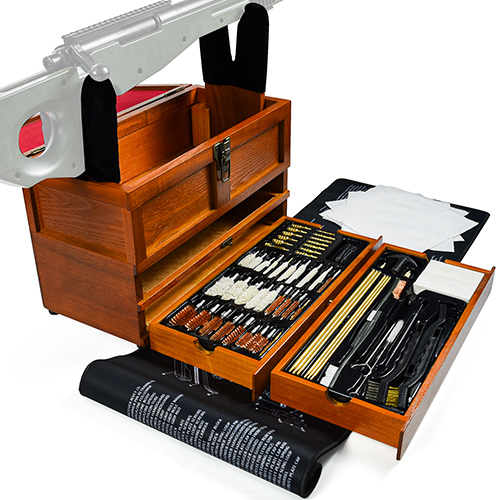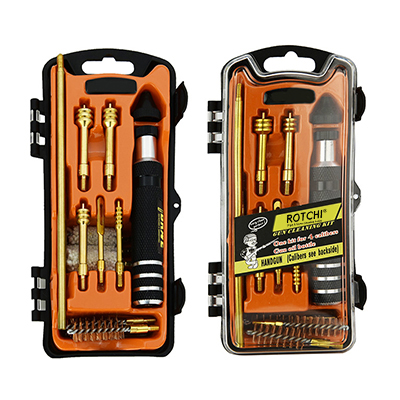

Choosing a Cleaning Brush sounds simple until the wrong one starts causing delays, surface damage, poor cleaning results, or unnecessary replacement costs. In real purchasing situations, buyers are rarely looking for “just a brush.” They are looking for consistency, material compatibility, reliable performance, and a product that holds up under repeated use. That is exactly why this topic deserves a closer look.
At the practical level, a good Cleaning Brush helps remove residue efficiently, protects the target surface, improves workflow, and reduces wasted labor. For distributors, maintenance teams, and product sourcing managers, these details matter more than marketing language. Companies such as Ningbo Rotchi Business Co.,Ltd. are part of this conversation because buyers increasingly want suppliers that can offer stable quality, flexible specifications, and dependable communication rather than generic catalog promises.
This article explores what buyers should really evaluate when selecting a Cleaning Brush, from bristle material and brush structure to durability, application fit, and supplier reliability. It focuses on common customer pain points such as poor cleaning efficiency, premature wear, surface scratching, and inconsistent product quality. It also explains how to compare brush options in a practical way, offers an easy-to-follow selection outline, and includes a FAQ section for sourcing decisions.
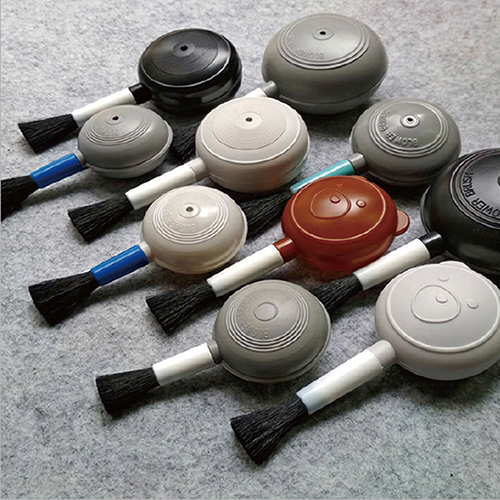
Most buyers do not struggle because there are too few products on the market. They struggle because there are too many options that look similar on paper. A brush may appear acceptable in a product listing, but once it reaches the actual application, the weaknesses show up fast. The bristles may bend too early, shed too much, feel too harsh on the target surface, or fail to clean tightly packed debris in hard-to-reach areas.
I often see the same frustrations come up again and again. One customer is dealing with brushes that wear out too quickly. Another is disappointed because the brush is strong enough to remove dirt but also leaves marks behind. Someone else receives a batch that varies in stiffness from one carton to the next, which makes standard operating procedures difficult to maintain. In many cases, the issue is not only the product itself. It is also a mismatch between the application and the brush design.
This is why buying a Cleaning Brush should never be treated as a routine line-item purchase. It affects labor time, cleaning results, product appearance, and end-user satisfaction. When the brush is wrong, every cleaning cycle becomes less efficient. When the brush is right, the difference is obvious in both performance and repeatability.
| Common Buyer Pain Point | What Usually Causes It | Practical Result |
|---|---|---|
| Brush wears out too fast | Weak filament quality or poor construction | Higher replacement frequency and extra cost |
| Surface gets scratched | Brush stiffness is too aggressive for the material | Damage, complaints, or rework |
| Cleaning takes too long | Wrong brush shape, poor fill density, or low resilience | Reduced productivity and labor inefficiency |
| Results vary by batch | Inconsistent manufacturing control | Unstable quality and difficult standardization |
| Brush cannot reach target area | Improper size, trim, or handle structure | Incomplete cleaning and user frustration |
Buyers sometimes focus too much on price and not enough on use conditions. Price matters, of course, but value depends on the brush performing correctly in the real environment. Before choosing a Cleaning Brush, I would always look at four practical questions.
A strong buying decision is based on fit, not guesswork. This is where product details matter: filament type, filament diameter, stiffness, trim length, brush density, handle comfort, and overall construction stability. These are not small details. They determine whether the brush feels controlled in use or disappoints after the first few cleaning cycles.
A supplier that understands these factors is more helpful than one that only sends a catalog. That is one reason why experienced buyers pay attention to whether a company can discuss real application scenarios. Ningbo Rotchi Business Co.,Ltd., for example, is associated with a broad cleaning brush category, which is relevant because buyers often prefer suppliers that can support varied specifications rather than pushing a one-size-fits-all answer.
Material selection changes everything. Two brushes can look similar in photos but behave very differently in use. This is where many sourcing mistakes begin. The buyer chooses based on appearance or a short description, but the real question should be how the brush performs under friction, pressure, moisture, chemicals, or repeated contact.
Softer synthetic filaments are often preferred when surface protection matters. Stronger and more rigid materials may be better for stubborn contamination, but they must be matched carefully to the target substrate. If a surface is easy to mar, a brush that is too aggressive can create a problem that is worse than the dirt itself.
Beyond the filament, handle material and structural design also affect reliability. A brush used in repeated maintenance work should feel secure in hand, resist loosening, and maintain its shape. Even a good filament can underperform if the overall brush construction is weak.
| Selection Factor | Why It Matters | What Buyers Should Watch |
|---|---|---|
| Bristle stiffness | Determines cleaning force and surface safety | Too soft may clean poorly; too hard may scratch |
| Filament resilience | Affects recovery after repeated bending | Poor resilience leads to early deformation |
| Brush density | Influences contact area and debris removal | Low density may reduce cleaning efficiency |
| Trim design | Helps the brush reach narrow or shaped areas | Wrong shape limits cleaning access |
| Handle and structure | Impacts control, comfort, and durability | Weak assembly can shorten service life |
This is also why a serious Cleaning Brush supplier should be able to discuss not only the product category, but the intended use conditions. Buyers benefit when the supplier can recommend a suitable combination of material, stiffness, and design instead of defaulting to the cheapest possible option.
Side-by-side comparison is one of the most useful ways to make a better buying decision. I would not compare brushes only by general description. I would compare them by real-use performance indicators.
Buyers handling wholesale or long-term procurement should think beyond the first order. The real question is whether the chosen brush can continue meeting expectations after reorder number two, three, or ten. That is where supplier stability becomes part of product quality.
A company like Ningbo Rotchi Business Co.,Ltd. becomes relevant in this context because sourcing managers often want a partner that can support product continuity, communication efficiency, and specification clarity. For many buyers, the ideal supplier is not simply the one with the lowest listed price, but the one that reduces friction throughout the purchasing process.
Confident sourcing usually comes from asking better questions before the order is placed. Too many problems are discovered after delivery, when they are harder and more expensive to fix. A stronger process starts with clear communication and a realistic understanding of the application.
Here is the sourcing approach I trust most:
A dependable Cleaning Brush purchase should feel predictable. The buyer should know what performance to expect, how durable the brush is likely to be, and whether the supplier can maintain the same standard over time. That predictability becomes a competitive advantage, especially for businesses that supply end users or operate under service deadlines.
Some mistakes are so common that they deserve direct mention. First, do not assume that every brush labeled for cleaning is suitable for your material or working conditions. Second, do not evaluate the product based only on appearance. Third, do not ignore packaging, labeling, and order consistency if you are buying for distribution or repeated operational use.
Another frequent mistake is treating brushes as disposable by default. In some cases that may be fine, but in many applications, a better-constructed brush lowers total cost over time because it works faster and lasts longer. A low initial price can become expensive if the brush fails early or creates avoidable damage.
In practical sourcing, the best outcome is not “the cheapest brush.” The best outcome is the brush that solves the cleaning problem reliably, safely, and repeatedly. That is the standard a professional buyer should aim for.
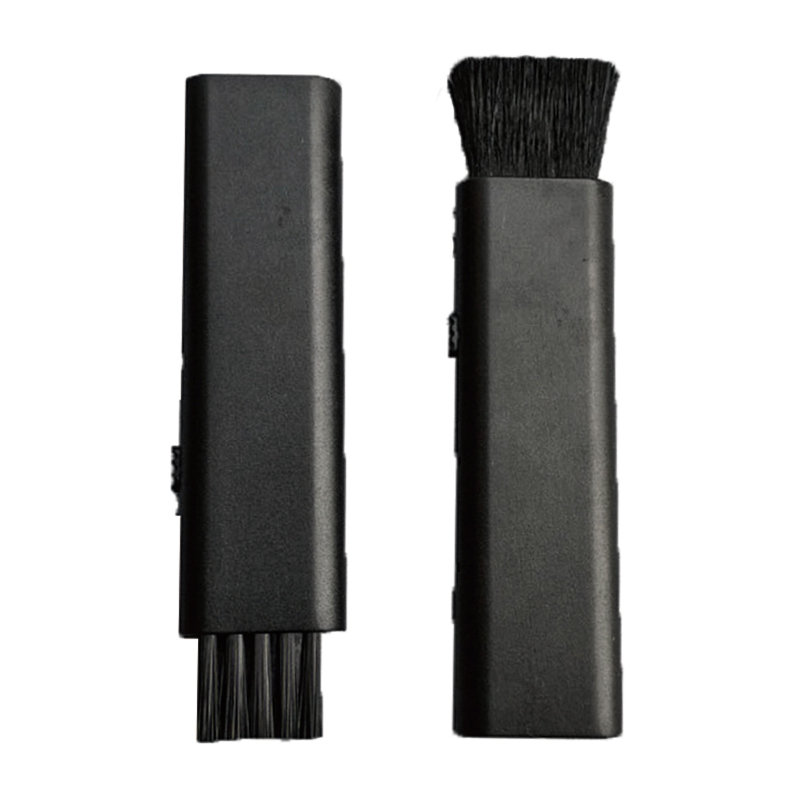
Can one cleaning brush handle every cleaning task?
Usually no. Different residues, shapes, and surface materials require different levels of stiffness, density, and brush structure. A brush that works well on one surface may be too weak or too harsh for another.
How can I reduce the risk of scratching delicate surfaces?
Start by matching the filament and stiffness to the target material. If the application is sensitive, sample testing is the safest approach. It is better to validate early than deal with rework later.
Is a more expensive brush always better?
Not always, but the cheapest option is often not the best value. Performance, service life, batch consistency, and surface safety all contribute to real purchasing value.
What should I ask a supplier before ordering in bulk?
Ask about material options, stiffness range, dimensions, packaging, sampling, customization, and consistency from batch to batch. Clear answers are a good sign that the supplier understands real buyer needs.
Why does cleaning performance vary so much between brushes that look similar?
Because appearance does not show everything. Filament quality, density, trim, resilience, and assembly all affect how the brush behaves during actual use.
A smart purchase decision starts with understanding the job, not just the product name. The right Cleaning Brush should clean effectively, protect the target surface, last through real working conditions, and arrive with dependable quality from order to order. That is what buyers actually need when they are trying to improve cleaning results rather than simply fill inventory.
For sourcing teams, maintenance buyers, distributors, and importers, the goal is not to choose the brush with the most generic claims. The goal is to choose a brush that fits the application and a supplier that communicates clearly about specifications, customization, and quality stability. That is where experienced suppliers stand apart.
If you are comparing options and want a more reliable path forward, it makes sense to look at suppliers with category experience and flexible support, including companies such as Ningbo Rotchi Business Co.,Ltd.. When your business depends on repeatable cleaning performance, the right conversation before purchase can save time, money, and frustration later.
If you are evaluating product specifications, comparing material options, or planning a bulk purchase, now is the right time to move from vague listings to a clearer sourcing decision. Whether you need a standard model or a more tailored solution, contact us to discuss your application, quantity, and product requirements in detail.