
Outdoor spaces are no longer treated as secondary areas. Today, patios, garden paths, entrances, courtyards, balconies, and commercial exteriors are expected to be functional after dark, visually inviting, and reliable in different weather conditions. That is exactly why Outdoor Lighting has become a practical decision rather than a decorative afterthought.
At the same time, buyers face a familiar problem: too many choices, too many vague specifications, and not enough clear guidance on what really matters. Should you prioritize brightness, beam angle, waterproof performance, energy savings, installation simplicity, or long-term maintenance? In real projects, the answer is usually all of them. A good lighting plan should make an outdoor area safer to use, easier to navigate, more comfortable to enjoy, and more attractive to visitors or customers.
Ningbo Rotchi Business Co.,Ltd. understands that buyers are not simply looking for a light fixture. They are looking for dependable Outdoor Lighting solutions that work in actual outdoor conditions, fit the visual character of a property, and continue delivering value over time. In this article, I will walk through the most common customer concerns, explain how to choose the right lighting for different scenarios, and show what separates a smart purchase from an expensive mistake.
This article explains how to choose Outdoor Lighting that improves safety, usability, aesthetics, and cost control. It covers common buyer pain points, product selection factors, installation planning, material durability, energy efficiency, and maintenance considerations. It also includes a practical comparison table, an implementation checklist, and frequently asked questions to help readers make more confident purchasing decisions.
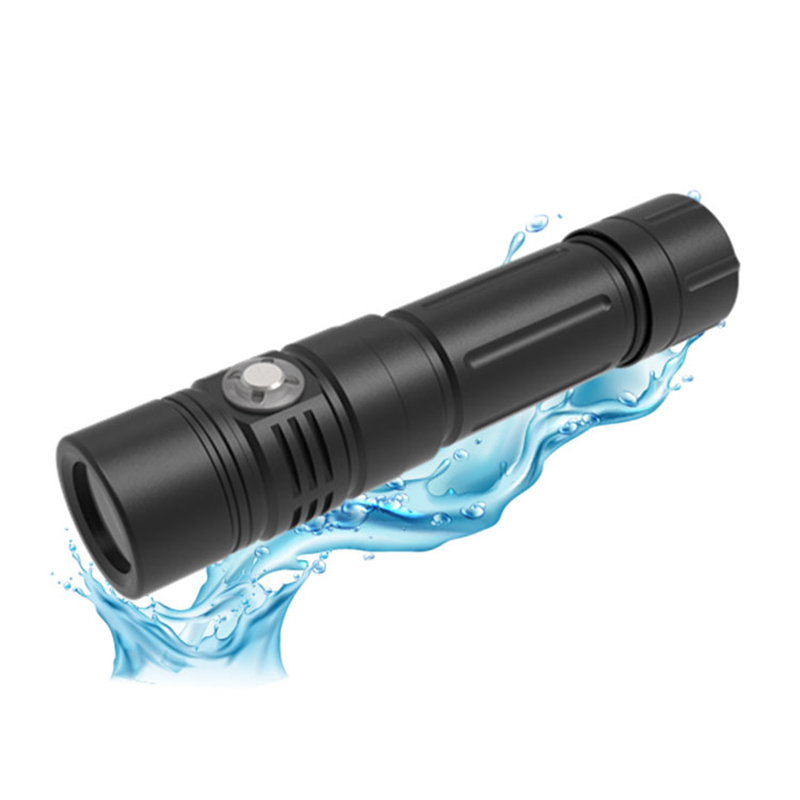
Many people first think about visual effect. They imagine a warm garden, a well-framed entryway, or a building exterior that looks more premium at night. That is certainly part of the story, but the real value of Outdoor Lighting goes much further. It shapes how people move, how safe they feel, and how a space performs after sunset.
In residential settings, lighting helps family members and guests identify pathways, steps, edges, gates, and activity zones. In hospitality and commercial spaces, it supports visibility, creates a welcoming impression, and reduces dark areas that make a property feel neglected or unsafe. Around retail or business entrances, good lighting quietly influences perception before any conversation begins.
That is why buyers who treat Outdoor Lighting as a low-priority add-on often end up revising the plan later. The better approach is to treat it as a functional layer of the whole outdoor experience from the start.
I often see the same pattern. Buyers know they need lighting, but they are forced to decide in a market full of overlapping claims. Some products emphasize brightness but ignore comfort. Others look attractive online yet struggle in rain, heat, dust, or coastal environments. Some are easy to install but expensive to maintain. Others save power but fail to create the atmosphere the project needs.
The most common pain points include:
A strong supplier does not just offer products. It helps buyers connect application, performance, and practicality. That is where a solution-oriented approach from Ningbo Rotchi Business Co.,Ltd. becomes valuable, because the right conversation starts with the usage scene, not with a random fixture catalog.
Not every outdoor area needs the same light behavior. A path light should guide movement gently. A wall fixture near an entrance should enhance visibility without causing glare. A landscape accent light should add depth without overwhelming the environment. The most effective Outdoor Lighting plan uses different fixture roles together instead of expecting one product to solve every need.
| Application Area | Best Lighting Purpose | What to Prioritize |
|---|---|---|
| Pathways and walkways | Guidance and safe movement | Low glare, even spacing, reliable weather resistance |
| Entrances and doors | Visibility, welcome effect, basic security | Clear facial visibility, wall compatibility, long service life |
| Patios and seating zones | Comfort and atmosphere | Warm tone, visual softness, layered illumination |
| Gardens and landscape features | Accent and depth | Beam control, targeted effect, minimal spill |
| Building façades | Architectural expression | Uniform appearance, mounting stability, light direction |
| Commercial exterior zones | Safety, branding, usability | Durability, efficiency, professional presentation |
The main lesson is simple: product choice should begin with behavior and location. Once buyers identify how each area will be used, the selection process becomes much easier and much more accurate.
One of the biggest purchasing mistakes is chasing brightness without asking where the light actually goes. More light does not automatically produce a better result. In fact, harsh or uncontrolled brightness can reduce comfort, create glare, flatten the visual scene, and make an outdoor area feel less refined.
When evaluating Outdoor Lighting, I recommend focusing on three connected elements:
For example, a garden path usually benefits from softer, lower-level lighting that marks direction without exposing every surface harshly. By contrast, a service area or parking-related zone may need clearer, more functional illumination. Good lighting design is rarely about maximum output. It is about useful output.
This is also where product consistency matters. Buyers should look for Outdoor Lighting that offers dependable beam behavior and stable visual quality across a project, so one fixture does not feel cold, dim, or visually disconnected from the next.
Outdoor environments are unforgiving. Rain, humidity, dust, direct sun, wind exposure, seasonal temperature shifts, and in some cases salt-rich air can steadily weaken low-quality products. That is why durability is not a side issue. It is central to the purchasing decision.
A fixture that looks affordable at the beginning may become expensive once it starts fading, corroding, loosening, fogging internally, or failing electrically. Buyers who want reliable Outdoor Lighting should pay attention to more than surface appearance. Build quality matters.
In real purchasing terms, durability protects the buyer from repeated replacement, labor costs, downtime, inconsistent appearance, and avoidable complaints. That is why long-term value often depends less on the initial unit price and more on how the fixture behaves after months and years outdoors.
Good projects rarely succeed by optimizing only one factor. If a fixture looks impressive but consumes too much power, the operating cost becomes a problem. If it is efficient but visually flat, the space loses appeal. If it is attractive and efficient but difficult to maintain, the owner may regret the purchase later. The goal is balance.
I usually suggest thinking in terms of total ownership value:
A coherent Outdoor Lighting system often performs better than a collection of disconnected products bought one by one. Consistency helps with visual identity, spare-part planning, installation logic, and future expansion. This is especially relevant for projects that start with one section of a property and later extend to adjacent outdoor areas.
A practical buyer mindset:
Do not ask only, “How much does this fixture cost?” Ask, “How well will this fixture perform, how long will it keep performing, and how much effort will it take to keep the result looking right?” That is the question that leads to better purchasing decisions.
Before placing an order, buyers can avoid many expensive adjustments by creating a simple planning checklist. This does not need to be overly technical. It just needs to be honest about the site, the intended experience, and future maintenance realities.
When this planning work is done well, buyers can move from vague preference to confident specification. That is where Ningbo Rotchi Business Co.,Ltd. can support decision-making with product-focused communication that aligns real application needs with dependable Outdoor Lighting choices.
The most common mistake is choosing based only on appearance or brightness. A successful product must also suit the environment, provide appropriate beam behavior, and remain dependable outdoors over time.
Start with entrances, pathways, steps, and areas where movement and visibility matter most. After that, add accent and atmosphere lighting to improve comfort and visual character.
If the light creates discomfort, strong glare, flattened shadows, or makes a space feel harsh rather than usable, the plan may be too aggressive. Better lighting is controlled lighting, not just stronger lighting.
Outdoor fixtures face moisture, dust, temperature shifts, and long exposure. If durability is poor, buyers may face replacement costs, maintenance headaches, and inconsistent project appearance much sooner than expected.
Yes. Well-planned Outdoor Lighting can make a property feel safer, more organized, more welcoming, and more professionally maintained. It changes how visitors experience the space from the first glance.
The best Outdoor Lighting decisions are not driven by trend language or isolated specifications. They are driven by real use, real environments, and real long-term expectations. Buyers who focus on safety, comfort, durability, appearance, and maintenance together tend to achieve much better results than those who buy only on price or first impression.
Whether the goal is to upgrade a residential garden, define a hospitality terrace, improve a commercial exterior, or create a more dependable outdoor environment overall, a thoughtful lighting plan creates value that people can see and feel every day. With the right support from Ningbo Rotchi Business Co.,Ltd., choosing the right Outdoor Lighting becomes a more confident and practical process.
If you are looking for outdoor lighting solutions that combine usability, visual appeal, and dependable long-term performance, now is the right time to review your project needs and move forward with confidence. Contact us to discuss the right direction for your next outdoor lighting project and discover a solution that fits both your space and your business goals.