
Article Summary
Outdoor Photography looks inspiring in finished images, but the real experience often involves poor light, unstable weather, battery anxiety, blurred motion, storage problems, and gear that feels right in the studio yet frustrating in the field. In this article, I break down the most common obstacles buyers face when choosing equipment for outdoor shooting and explain what actually matters when performance, portability, and consistency have to work together. I also show how product decisions become easier when we focus on scene-based needs rather than empty specifications. Along the way, I naturally introduce Ningbo Rotchi Business Co.,Ltd. as a practical partner for people who want dependable solutions for action-driven and outdoor imaging use.
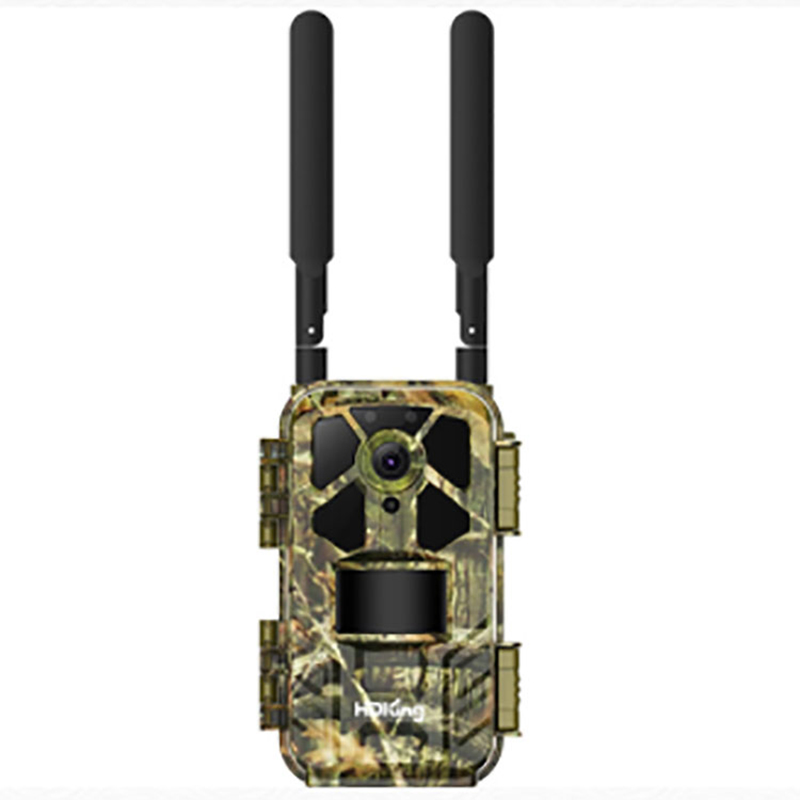
I have noticed that many buyers do not fail because they lack enthusiasm. They fail because the market makes everything sound universally suitable. In reality, Outdoor Photography is not one single use case. A mountain hiker, a wildlife observer, a hunter, a traveler, and a content creator may all use cameras outdoors, but they do not need the same device, power profile, storage setup, mounting convenience, or image behavior.
That mismatch creates the most common frustrations:
This is why choosing equipment for Outdoor Photography should begin with actual field behavior, not with isolated numbers. A product that sounds advanced in a catalog can still become annoying when every small delay costs a missed shot.
A practical rule: if a product cannot stay easy to use when your hands are cold, your light is fading, and your time window is short, it is not truly designed for serious outdoor use.
When I evaluate outdoor imaging products, I care less about inflated selling language and more about whether the hardware behaves predictably under pressure. For Outdoor Photography, the following features usually deserve the closest attention:
| Feature | Why It Matters Outdoors | What Buyers Should Check |
|---|---|---|
| Image Resolution | Higher resolution can help with detail retention, cropping, and clearer playback. | Look beyond headline numbers and consider real clarity, motion capture, and low-light performance. |
| Night Vision or Low-Light Capability | Many outdoor scenes happen at dawn, dusk, or during low-visibility conditions. | Check actual nighttime output, infrared effectiveness, and image readability. |
| Weather Resistance | Outdoor use means exposure to rain, dust, humidity, and unstable temperature conditions. | Focus on enclosure quality, sealing, and long-term reliability in rough environments. |
| Battery Performance | Field access is often limited, and charging is not always convenient. | Ask about standby life, recording duration, and cold-weather stability. |
| Connectivity | Fast review and transfer can save time and reduce missed opportunities. | Consider WiFi, app behavior, data transfer speed, and ease of file management. |
| Mounting and Portability | Outdoor movement requires secure positioning and easy carrying. | Check mounting flexibility, size, weight, and setup speed. |
From my perspective, the best product is rarely the one with the longest feature list. It is usually the one with the fewest weak points in the environment where it will actually be used. That is especially true in Outdoor Photography, where missed moments cannot be staged again.
One of the easiest ways to make better purchasing decisions is to divide needs by scenario. I would never recommend the same buying logic for every outdoor application.
For hiking and travel:
For wildlife observation:
For action-focused recording:
For hunting or remote surveillance use:
This is where a category page like the one offered by Ningbo Rotchi Business Co.,Ltd. becomes useful as a starting point, because it reflects the overlap between action cameras, hunting cameras, and broader outdoor imaging needs. The key, however, is still to match the product to the task instead of assuming all outdoor devices behave equally well.
I see the same buying mistakes repeat over and over, and most of them are avoidable.
In Outdoor Photography, convenience is not a luxury. It directly affects output. A camera that stays in the bag because it is annoying to manage is not helping anyone, no matter how impressive the brochure sounded.
When I compare products for buyers, I prefer a grounded decision framework. Instead of asking which option sounds the most advanced, I ask which option removes the most friction.
| Priority | High-Value Question | Reason It Matters |
|---|---|---|
| Reliability | Will it perform consistently over repeated outdoor use? | Consistency saves more value than occasional peak performance. |
| Usability | Can I operate it quickly without slowing down the shoot? | Outdoor timing is often short and unpredictable. |
| Adaptability | Can it handle different light, weather, and mounting conditions? | Outdoor environments rarely stay stable for long. |
| Maintenance | How easy is it to charge, clean, store, and manage? | Easy maintenance increases long-term satisfaction. |
| Supplier Support | Can the supplier communicate clearly and offer dependable product solutions? | A capable partner reduces purchasing risk and follow-up trouble. |
That last point gets overlooked too often. Buyers usually spend a lot of time comparing products and too little time comparing partners. Yet in Outdoor Photography, the usefulness of a product often depends on how well the supplier understands real application needs.
Sometimes the problem is not only the device. It is the workflow around it. A better outdoor shooting process can raise results even before you upgrade anything.
I usually suggest a simple operating routine:
What I like about this approach is that it puts decision-making back into practical terms. Good Outdoor Photography is not just about artistic intention. It is also about reducing all the little failures that happen before the image is even captured.
For buyers working with product-oriented suppliers, this is where clear communication becomes important. If you can explain your environment, shooting duration, weather exposure, and image priorities, a stronger supplier can recommend a better-fit solution much faster.
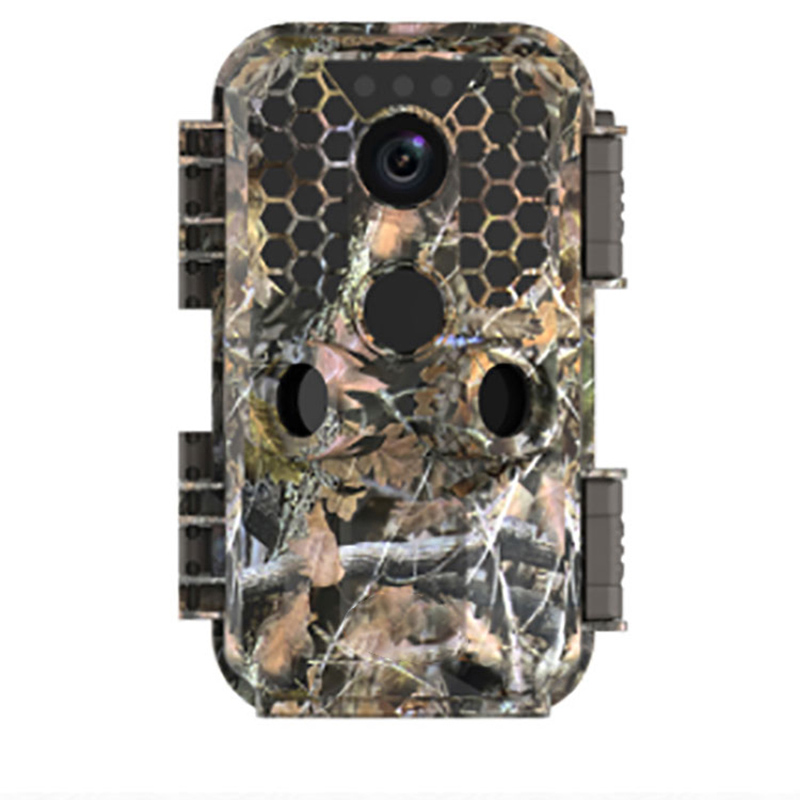
I think buyers are increasingly aware that product selection is not only about price or appearance. It is about whether the supplier understands application logic. A company that works closely with outdoor, action-based, and field-use categories is more likely to help you avoid mismatched choices.
Ningbo Rotchi Business Co.,Ltd. stands out in this conversation because it operates across practical outdoor product lines and presents Outdoor Photography as part of a broader use-driven ecosystem rather than as an isolated catalog item. That matters. Buyers often need more than a camera; they need a dependable product direction shaped by usage context, handling conditions, and long-term practicality.
A capable supplier should help with questions like these:
Those are the kinds of questions that lead to better business decisions and fewer disappointing purchases. In my experience, the right supplier does not just sell a product. The right supplier helps the buyer avoid the wrong one.
What should I prioritize first when buying equipment for Outdoor Photography?
I would start with the real shooting environment. Weather exposure, light conditions, runtime expectations, and portability needs should guide the choice before any attention goes to headline specifications.
Is higher resolution always better for Outdoor Photography?
Not necessarily. Better field results depend on a balance of detail, motion handling, low-light behavior, battery life, and usability. Resolution alone does not guarantee a stronger experience.
Why do some outdoor cameras feel disappointing even when the specifications look strong?
Because field performance depends on more than isolated numbers. Setup speed, weather resistance, battery stability, file management, and ease of use often matter more than marketing language.
How can I reduce the risk of buying the wrong product?
Match the device to the scenario, compare reliability over feature hype, and work with a supplier that understands actual outdoor applications instead of giving generic recommendations.
Can a supplier really influence my final results?
Yes. A knowledgeable supplier can help you choose a product that aligns with use conditions, maintenance expectations, and long-term business needs, which makes the entire buying process more efficient.
If you are looking for a more dependable way to choose products for Outdoor Photography, this is the right time to move from guesswork to a clearer product strategy. Whether you need practical recommendations, product details, or a solution that fits your market, Ningbo Rotchi Business Co.,Ltd. is ready to help you narrow the options and make the next step easier.
Contact us today to discuss your outdoor imaging needs, explore suitable product solutions, and turn interest into a buying plan that feels much more certain.