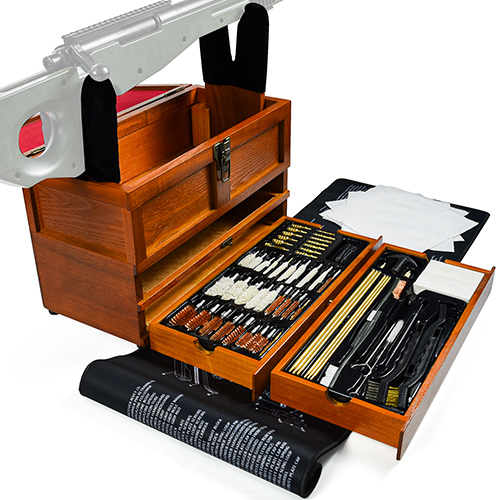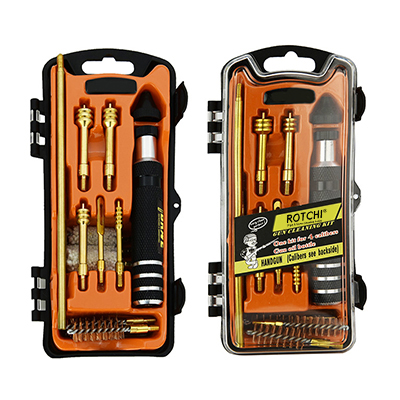

Article Summary: Choosing Tactical Gear is not only about appearance, color, or a rugged label. Buyers often face very practical concerns: Will the belt stay firm under movement? Will the gloves still feel comfortable after hours of use? Can the pouch hold accessories without shaking loose? Is the material suitable for outdoor use, training, patrol support, range organization, travel, or daily field tasks? This article explains how to evaluate Tactical Gear from the buyer’s point of view, covering durability, comfort, adjustability, material selection, storage design, order planning, and supplier communication. It also introduces how Ningbo Rotchi Business Co.,Ltd. can support buyers looking for organized product sourcing and practical field-ready options.
Table of Contents
Article Outline:
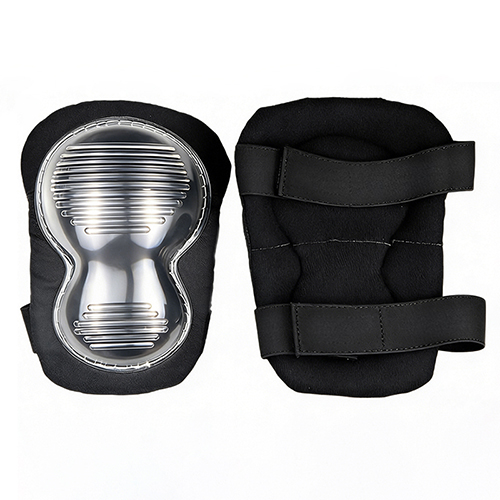
Many buyers start searching for Tactical Gear with a simple idea: they want products that look strong, feel reliable, and can handle outdoor use. The problem is that the market is crowded with similar-looking belts, gloves, pouches, holsters, knee pads, and field accessories. Two products may look almost the same in a photo, but perform very differently once they are used in real movement, long wear, wet weather, dusty storage, or repeated packing and unpacking.
The biggest pain point is not usually price alone. It is uncertainty. Buyers want to know whether the item will fit different body types, whether the buckle will hold under pressure, whether stitching will stay firm, whether a pouch can carry accessories without becoming loose, and whether gloves still allow useful hand movement. For distributors, retailers, outdoor brands, and procurement teams, one wrong batch can create complaints, returns, slow-moving inventory, or damage to customer trust.
This is why a practical evaluation method matters. Good Tactical Gear should not be judged only by a product title or a bold photo. It should be judged by how well it solves real problems: carrying items securely, protecting key contact points, staying comfortable during long use, allowing quick adjustment, and surviving repeated handling.
Ningbo Rotchi Business Co.,Ltd. offers tactical product options that can be considered by buyers looking for field-oriented accessories, outdoor support products, and practical gear combinations. For buyers, the better approach is to treat sourcing as a fit-and-function decision rather than a quick catalog selection.
Reliable Tactical Gear should solve five basic problems before anything else: load control, user comfort, protection, accessibility, and repeat-use durability. If a product fails in one of these areas, even a good-looking item may become difficult to sell or use.
For example, a tactical belt is not useful simply because it has a quick-release buckle. The strap width, webbing stiffness, buckle material, adjustment range, edge finish, and stitching pattern all matter. A glove is not practical just because it has a tough exterior. It must also allow finger movement, grip control, breathability, and reasonable touch sensitivity depending on the intended use.
For buyers, the safest way to compare Tactical Gear is to define the main use before comparing prices. A product for outdoor sports, patrol support, airsoft, hiking, range organization, cycling, or worksite support may require different priorities. One buyer may need lightweight flexibility, while another may care more about load-bearing strength. Clear use cases lead to cleaner product choices.
Material choice is one of the most direct factors affecting how Tactical Gear feels and performs. Many buyers focus on product shape first, but experienced buyers usually ask about fabric, buckle, padding, webbing, coating, and stitching details early in the conversation.
Nylon is often chosen for strength, abrasion resistance, and outdoor suitability. Polyester can be useful for cost control, color stability, and general-purpose webbing. PP may appear in lighter-duty belt structures where low weight and economical production matter. POM plastic buckles are common in many outdoor accessories because they are lightweight and practical, while zinc alloy or other metal buckles may be selected when buyers want a firmer, heavier feel.
| Material or Component | Common Buyer Concern | Practical Evaluation Point |
|---|---|---|
| Nylon Webbing | Will the belt or strap feel strong enough for repeated outdoor use? | Check thickness, edge finish, weaving density, and whether the webbing feels too soft or too rigid. |
| Polyester Webbing | Will the product balance cost and everyday durability? | Compare color fastness, flexibility, surface texture, and suitability for bulk orders. |
| POM Buckle | Will the buckle be light, simple, and practical? | Test release smoothness, locking stability, and repeated opening and closing. |
| Zinc Alloy Buckle | Will the product feel stronger and more premium? | Review weight, finish quality, corrosion resistance, and comfort during wear. |
| Padding and Gel Support | Will knee pads or protective gear remain comfortable? | Check pressure distribution, rebound, sweat comfort, and strap stability. |
| Stitching | Will the product hold up after repeated pulling or bending? | Look for clean seams, reinforced stress points, and consistent thread tension. |
Material choice should match the product’s job. A lightweight belt for casual outdoor use should not be evaluated the same way as a heavier field belt. A pouch used for simple storage does not need the same construction as a pouch expected to handle frequent loading and unloading. By matching material to purpose, buyers can reduce overbuying, underbuying, and customer dissatisfaction.
Before placing an order for Tactical Gear, buyers should compare more than product names. Product names in this category are often long and similar, so decision-making should be based on measurable and visible details.
A practical comparison should include size range, material description, buckle type, closure method, carrying capacity, color options, packaging, logo options, sample availability, and expected use scenario. If the product is wearable, adjustment range becomes especially important. If the product is used for storage, internal space and attachment compatibility become more important. If the product is protective, padding structure and stability should be checked first.
Another detail buyers often overlook is consistency. A sample may look good, but bulk production must keep the same size, material feel, color, stitching quality, and packaging standard. When communicating with a supplier, it is better to confirm product specifications in writing and keep a sample as a comparison point for later orders.
For retailers and brand owners, packaging also matters. Clean packaging, clear labeling, and suitable carton planning can make products easier to store, count, display, and ship. Good Tactical Gear sourcing is not only about the product itself; it is also about how smoothly the product moves through the buyer’s sales chain.
The best Tactical Gear choice depends on where and how the product will be used. A product selected for airsoft or outdoor sports may emphasize flexibility, comfort, and appearance. A product selected for work support may emphasize durability, knee protection, and easy adjustment. A product selected for retail display may need a balanced mix of appearance, packaging, price, and broad sizing.
Buyers can use the following scenario-based guide to narrow the selection:
| Use Scenario | Recommended Product Focus | Buyer Priority |
|---|---|---|
| Outdoor Sports | Gloves, belts, pouches, lightweight support accessories | Comfort, breathability, quick adjustment, attractive color options |
| Field Work Support | Knee pads, durable belts, storage pouches | Protection, padding stability, abrasion resistance, secure fastening |
| Airsoft and Training Accessories | Molle pouches, tactical gloves, belts, support holders | Modular storage, movement comfort, fit consistency, repeated-use durability |
| Retail and Wholesale | Popular multi-use tactical items | Clear packaging, stable supply, competitive pricing, easy product explanation |
| Brand Customization | Selected gear with logo or packaging options | Material confirmation, sample approval, color control, order consistency |
This approach helps buyers avoid vague sourcing. Instead of asking only for “good tactical products,” buyers can ask for a belt suitable for outdoor sports, gloves with stronger grip, knee pads with comfortable padding, or pouches designed for organized accessory storage. Specific requests lead to better recommendations, cleaner quotations, and fewer revisions.
Ningbo Rotchi Business Co.,Ltd. can be introduced naturally in this type of buying process because the company’s tactical product category covers multiple practical gear types. Buyers who prepare clear use scenarios can communicate more efficiently and select products that match their market positioning.
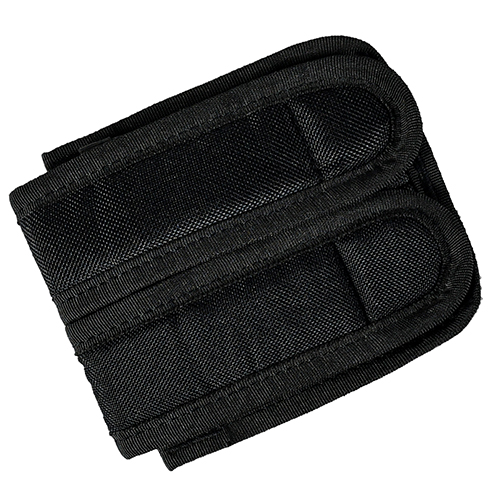
A strong inquiry helps a supplier give a better answer. Many sourcing delays happen because buyers send only a product name without quantity, material preference, packaging needs, or target market. For Tactical Gear, a more complete inquiry can reduce back-and-forth communication and help buyers compare quotations fairly.
Useful inquiry checklist for buyers:
These questions may look simple, but they protect the buyer. A supplier cannot accurately recommend a glove without knowing whether comfort, protection, grip, or appearance is the top priority. A supplier cannot quote a belt properly without understanding buckle type, strap material, width, color, and packaging. A supplier cannot prepare a meaningful sample if the buyer has not explained the market use.
Good sourcing is a conversation, not a guessing game. When both sides define the product clearly, Tactical Gear procurement becomes more predictable, and the buyer has a better chance of receiving products that fit real customer demand.
Q1: What is the most important factor when choosing Tactical Gear?
The most important factor is matching the product to its real use. A belt, glove, pouch, or knee pad should be selected according to comfort, durability, load requirements, material, and adjustment needs. Appearance matters, but function should come first.
Q2: Is nylon always better than polyester for Tactical Gear?
Not always. Nylon is often selected for strength and abrasion resistance, while polyester can offer good value, stable color performance, and practical everyday use. The better choice depends on budget, product type, expected wear, and target market.
Q3: How can buyers reduce risk before a bulk order?
Buyers should request samples, confirm specifications in writing, check stitching and material quality, review packaging, and compare the approved sample with bulk production. Clear communication before ordering usually prevents bigger problems later.
Q4: Can Tactical Gear be customized for brand sales?
Many tactical products can be discussed for customization, depending on the item, order quantity, logo method, material, packaging, and production requirements. Buyers should provide brand needs early so the supplier can confirm feasibility.
Q5: Why do similar Tactical Gear products have different prices?
Price differences may come from material grade, buckle type, stitching complexity, padding quality, packaging, order quantity, customization, and quality control requirements. A lower price is not always a better deal if the product does not meet the buyer’s use case.
Q6: What information should be included in a first inquiry?
A first inquiry should include product type, quantity, use scenario, material preference, color, logo needs, packaging requirements, target market, and expected delivery time. This helps the supplier respond with a more accurate quotation and recommendation.
Choosing Tactical Gear is a practical decision built on fit, material, structure, comfort, and supplier communication. Buyers should not rely only on product photos or broad product names. A better purchasing process starts with clear use scenarios, detailed specifications, sample checking, and honest comparison of materials and construction.
For tactical belts, buyers should pay attention to strap quality, buckle structure, adjustment range, and wearing comfort. For tactical gloves, grip, movement, breathability, and protection should be reviewed together. For pouches, storage layout and attachment stability are essential. For knee pads, comfort and protection must work at the same time. When every product is evaluated according to its job, sourcing becomes easier and more reliable.
Ningbo Rotchi Business Co.,Ltd. provides tactical product options for buyers who want to build a more practical outdoor, field-use, or retail-ready product line. Whether you are comparing tactical belts, gloves, pouches, knee pads, or related accessories, a clear inquiry can help you receive a more useful recommendation and a smoother quotation process.
Looking for practical Tactical Gear for your market?
If you need product details, quotation support, sample discussion, or customized sourcing guidance, please contact us today. Share your target product, quantity, market use, and packaging needs, and our team will help you move from product comparison to confident purchasing with less guesswork.